



The most common household pests in Lafayette are cockroaches, ants, termites, rats and mice, mosquitoes, and spiders. Bed bugs, fleas, and silverfish also show up in homes across the area. South Louisiana’s warm temperatures, frequent rain, and high humidity give these pests what they need to survive for most of the year, which is why pest control in Lafayette is needed all year. At Dave’s and Kevin’s Pest Control, we want homeowners to know what each pest looks like, where it lives, and why it ends up indoors.
Cockroaches
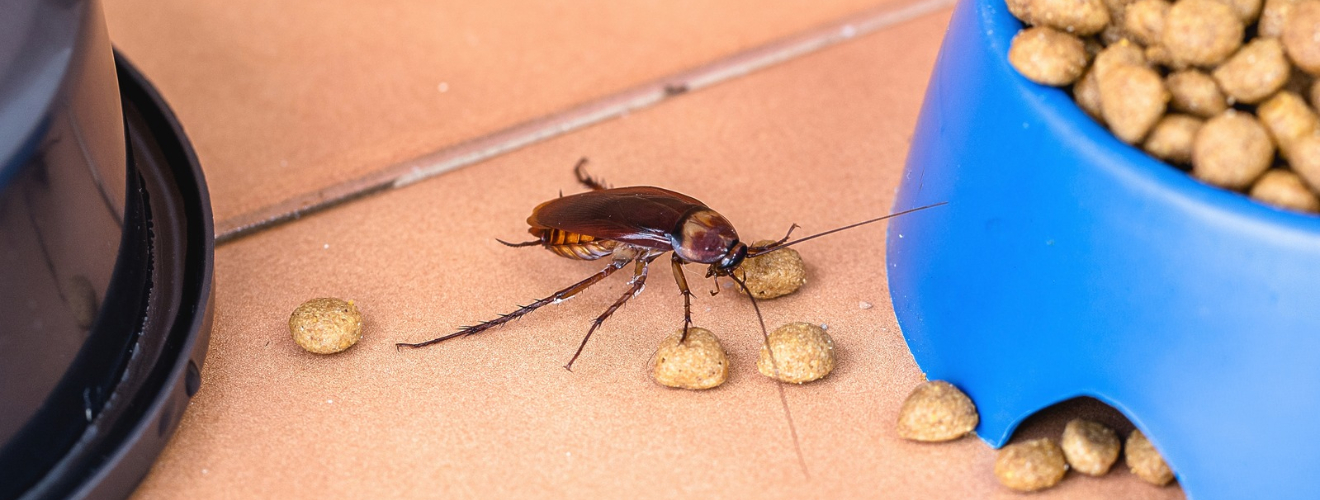
Lafayette homes deal with several types of cockroaches, and they behave very differently. American cockroaches are the large, reddish-brown roaches many locals call palmetto bugs. They usually live outside in mulch, storm drains, sewers, and damp crawl spaces. They wander indoors through gaps under doors, plumbing openings, and drains, especially during heavy rain or extreme heat. Smokybrown cockroaches are similar in size but darker, and they are often found around gutters, tree holes, and attics.
German cockroaches are a different kind of problem. They are small, light brown, and marked with two dark stripes behind the head. German cockroaches live and breed indoors, usually in kitchens and bathrooms where they have warmth, water, and food. They reproduce quickly, and a few roaches brought in on a grocery bag or a used appliance can become a large infestation. Because they spend their entire lives indoors, outdoor treatments alone will not control them.
Ants
Fire ants are common in Lafayette lawns, and their mounds often appear soon after a rain. They deliver painful stings and can move indoors when flooding or heavy rain pushes them out of the soil. Crazy ants are another concern in South Louisiana. They get their name from the fast, erratic way they run, and they can appear in very large numbers inside and around homes. Crazy ants are difficult to control with store-bought products, and they often need repeated professional treatments.
Other ants, including small sweet-loving species, often come indoors looking for food and water. Treating these ants correctly depends on identifying the species first, since some respond well to baits and others scatter into new colonies when they are sprayed.
Termites
Termites are one of the most serious pests in Louisiana because of the damage they can do to a home. Lafayette has two main types. Native subterranean termites live in the soil and build mud tubes to reach the wood in a house. Formosan termites, which are established across South Louisiana, form much larger colonies than native termites. Formosan termites can also build nests above ground when they have a steady source of moisture, such as a roof leak or plumbing leak.
Most homeowners first notice termites when swarmers appear in the spring. Native termites usually swarm during the day, while Formosan termites swarm on warm evenings and gather around lights. Mud tubes on the foundation, discarded wings, and hollow-sounding wood are other common signs.
Rats and Mice
Rodents are a problem in Lafayette homes throughout the year, and they tend to move indoors more often when temperatures drop in the fall and winter. Roof rats are common in South Louisiana. They are excellent climbers and often reach attics by running along tree branches and power lines. Norway rats are larger and burrow in the ground near foundations, woodpiles, and sheds. House mice can enter through very small gaps around pipes, vents, and doors.
Rodents contaminate food and surfaces with droppings and urine, chew through wiring and insulation, and carry fleas and mites into the home. Sealing the openings they use to get inside is an important part of keeping them out.
Mosquitoes
Lafayette’s rainfall and humidity create plenty of standing water, which is where mosquitoes lay their eggs. Clogged gutters, plant saucers, birdbaths, tarps, and low spots in the yard can all hold enough water for mosquitoes to breed. Mosquitoes are also a health concern in Louisiana, since some species can spread diseases such as West Nile virus. Reducing standing water helps, but treating the areas where adult mosquitoes rest, such as shrubs and shaded spots, makes a bigger difference.
Spiders
Spiders are common around Lafayette homes because there are plenty of insects for them to eat. Most are harmless, such as the southern house spider, which builds webs in corners, eaves, and window frames. Two species call for more caution. Black widows hide in quiet, undisturbed places like woodpiles, sheds, garages, and meter boxes. Brown recluse spiders are also found in Louisiana. They prefer dry, dark spaces such as closets, attics, and boxes in storage. A home with a lot of spiders usually has a lot of insects, so controlling other pests helps reduce the spider population.
Bed Bugs, Fleas, and Silverfish
Bed bugs travel into homes on luggage, used furniture, and clothing, then hide in mattress seams, bed frames, and furniture near where people sleep. They can infest a clean home as easily as a cluttered one. Fleas usually arrive on pets and can multiply quickly in carpets and pet bedding. Silverfish are small, silver, fast-moving insects that prefer damp areas like bathrooms, laundry rooms, and attics, where they feed on paper, glue, and starches.
Why These Pests Thrive in Lafayette
All of these pests benefit from the same local conditions. Warm weather lets them stay active for most of the year, rain and humidity provide water, and thick vegetation gives them places to live near the house. When heavy rain or flooding hits, many of them move toward higher, drier ground, which often brings them to the foundation of a home.
Our standard plan covers spiders, American cockroaches, ants, silverfish, and other common pests, and we can add termite, rodent, mosquito, and bed bug services based on what your home needs. To find out which pests are affecting your property, contact our team for a free inspection.