


Pest Problems Don't Stay Behind When the Vessel Leaves the Dock
Marine pest management requires careful attention because a pest introduced at one location may travel with the vessel.
- Food supplies.
- Cargo.
- Boxes.
- Pallets.
- Crew belongings.
- Equipment.
- Shipments.
Any of these can create opportunities for pests to move onboard.
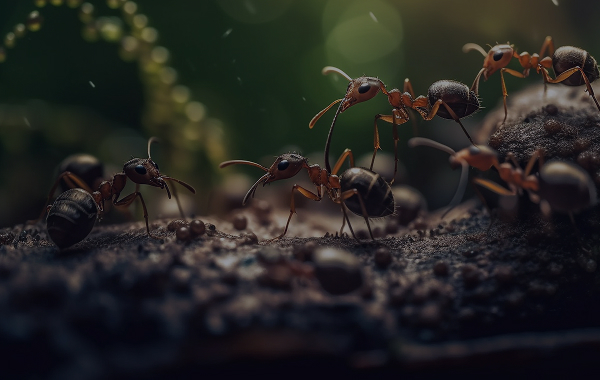
Once established, cockroaches, rodents, flies, ants, or stored-product pests may have numerous protected areas where they can survive.
And because marine environments often have limited access, confined spaces, food-service areas, sleeping quarters, mechanical areas, and continuous operations, pest management needs to be planned around the vessel or facility rather than treated like a conventional building.

Get Your Free Pest Control Quote
Tell us what you’re dealing with and a member of the Dave’s and Kevin’s team will help you determine the right solution for your facility.
Pest Management From Galley to Cargo Area
The entire vessel or offshore facility can influence pest activity.
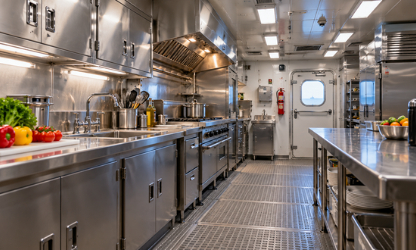
Galleys & Food-Service Areas
Food preparation, grease, moisture, drains, appliances, and waste can create favorable conditions for cockroaches, flies, ants, and rodents.
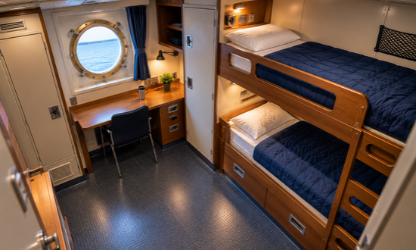
Crew Quarters
Food, personal belongings, sleeping areas, and limited space can increase the impact of even a small pest problem.
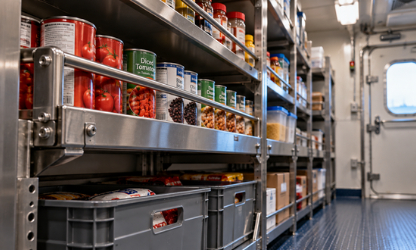
Food & Dry Storage
Stored foods, packaging, cardboard, and long periods between access can create risks for rodents and stored-product insects.
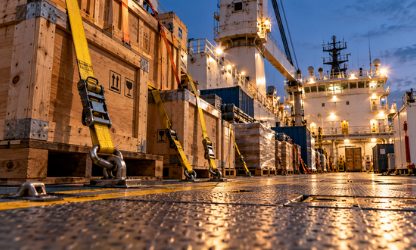
Cargo & Supply Areas
Incoming materials may create pest-introduction opportunities, especially when products originate from multiple locations.
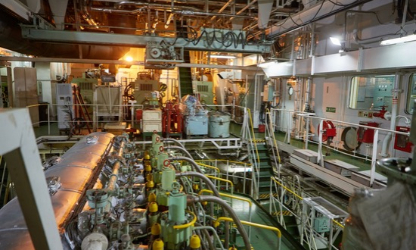
Mechanical & Equipment Spaces
Warmth, moisture, hidden voids, and limited human activity can provide pest harborages.

Docks & Shore Connections
Vessels may encounter pest pressure while docked through lines, loading areas, waste, nearby structures, deliveries, and other shore-based activity.
How We Approach Marine Pest Management
A Pest-Control Strategy Designed Around the Operation

Understand the Vessel or Facility
We consider the layout, crew areas, galley, storage, waste, cargo, equipment spaces, and how supplies move through the operation.


Identify Introduction Points
Pests may arrive through food, cargo, pallets, boxes, equipment, crew belongings, or shore access.
Knowing where introduction is most likely helps focus prevention.


Inspect Harborages and High-Risk Areas
Protected spaces near food, water, heat, storage, mechanical equipment, and waste deserve close attention.


Develop a Practical Service Plan
The pest-management program must reflect operational schedules, accessibility, pest type, and the areas involved.


Reduce the Chance of Reintroduction
Receiving practices, sanitation, storage, waste management, monitoring, and crew awareness can all support long-term control.

Free Commercial Facility Pest Audit
Schedule a no-obligation commercial pest inspection and receive a review of common pest risk areas. Including: entry points, sanitation concerns, storage zones, exterior conditions and more!
Integrated Pest Management
IPM Is Especially Valuable in Marine Environments
A marine operation has limited tolerance for repeated pest problems.
Once offshore, access to additional pest-control resources may not be immediate.
That makes prevention particularly valuable.
Integrated Pest Management focuses on identifying pest risks before they become established.
- Where are supplies coming from?
- How is food stored?
- Are boxes accumulating?
- Are drains being maintained?
- Is waste properly managed?
- Are pests entering during loading?
- Where could roaches or rodents hide unnoticed?
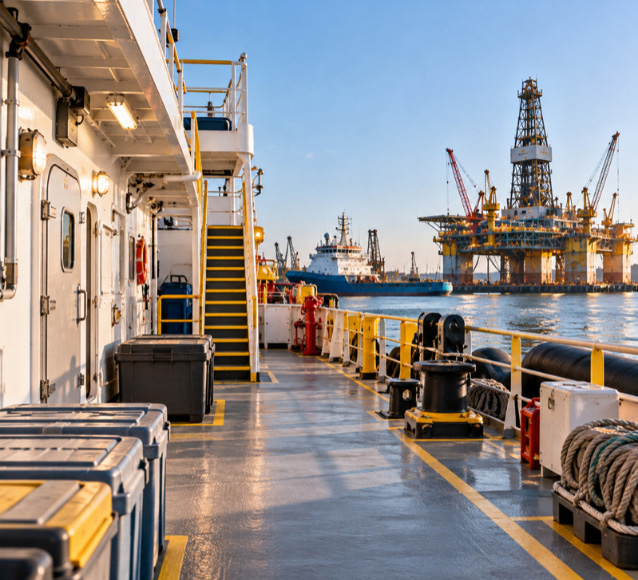
IPM combines those observations with monitoring, sanitation, exclusion where practical, corrective recommendations, and targeted treatment.
The objective is to reduce the chance that pests are simply transported from one location to the next.
Common Marine & Offshore Pests
Pest Risks on Vessels and Offshore Facilities
Cockroaches
Warm equipment spaces, galleys, drains, food residue, storage areas, and tight protected voids can provide excellent cockroach habitat.
Rodents
Rodents may gain access while vessels are docked or through cargo, supplies, and shore-side environments.
Flies
Waste, food preparation, drains, organic material, and exterior exposure may contribute to fly activity.
Stored-Product Pests
Dry foods and stored ingredients may support beetles, moths, or other pests if contaminated products are introduced.
Ants
Ants may be introduced with food, cargo, equipment, or supplies and can become established where resources are available.
Bed Bugs
Crew sleeping accommodations and movement of people and belongings can create opportunities for bed bugs to be introduced.
Sanitation & Supply Control
Pest Prevention Begins Before Supplies Come Onboard
Receiving and storage practices can play an important role in marine pest management.
Boxes and packaging should be inspected when practical.
Damaged food products should be addressed.
Storage spaces should remain organized.
Food spills should be cleaned promptly.
Waste should be removed and contained properly.
Drains and wet areas should receive attention.
Crew members should have a clear method for reporting pest sightings.
Every step that reduces food, water, shelter, or pest introduction makes long-term control easier.
Continuous Operations
Pest Control Has to Work Around the Mission
Marine and offshore operations often cannot simply shut down for routine pest service.
Crew schedules, port access, cargo movement, maintenance windows, and operating requirements all affect when areas are available.
That makes planning especially important.
The service strategy should focus on addressing pest concerns while working as efficiently as possible within the operational realities of the vessel or facility.
Commercial Pest Management for South Louisiana’s Marine Industry
South Louisiana has a long connection to marine transportation, offshore operations, oil and gas, shipyards, ports, and support industries.
Those operations face environmental conditions that are very different from a conventional office building.
- Heat.
- Humidity.
- Water.
- Cargo movement.
- Continuous operations.
- Food storage.
- Crew accommodations.
- Shore-to-vessel traffic.
A strong marine pest-management program needs to account for all of them.
Why Choose Dave’s & Kevin’s
Local Pest Control for Specialized Commercial Environments





South Louisiana Experience
Pest management informed by local climate and commercial conditions.

Integrated Pest Management
Prevention, monitoring, and corrective action support treatment.

Customized Programs
Service built around the vessel, facility, schedule, and operating environment.

Commercial Focus
Attention to the conditions that make specialized facilities different from ordinary properties.
South Louisiana Experience
Pest management informed by local climate and commercial conditions.
Integrated Pest Management
Prevention, monitoring, and corrective action support treatment.
Customized Programs
Service built around the vessel, facility, schedule, and operating environment.
Commercial Focus
Attention to the conditions that make specialized facilities different from ordinary properties.
Marine & Offshore Pest Control Serving South Louisiana
Marine & Offshore Pest Control Serving South Louisiana
Dave’s & Kevin’s provides pest-management solutions for marine and offshore operations, ships, service vessels, oil rigs, docks, marine facilities, and related commercial environments serving Lafayette, Acadiana, and South Louisiana.
Your Local Pest Control Company Since 1962
More than six decades in business doesn’t happen without taking care of customers. See what homeowners throughout Lafayette and Acadiana have to say about their experience with Dave’s and Kevin’s Pest Control.
Read More Reviews


Frequently Asked Questions About Marine Pest Control
How do pests get onto ships and vessels?
Pests may be introduced through cargo, food supplies, packaging, equipment, personal belongings, loading areas, or dockside environments.
Why are cockroaches such a concern onboard?
Galleys, heat, moisture, food, equipment voids, and tight protected spaces can provide favorable conditions.
Can rodents board a vessel while it is docked?
Yes. Shore-side pest activity and loading operations can create opportunities for rodents to gain access.
Can food supplies introduce stored-product pests?
Yes. Dry goods and other food products can sometimes arrive already containing pest activity.
Why is prevention especially important offshore?
Access to corrective service may be more limited once a vessel or operation is away from shore, so early detection and prevention become particularly valuable.
Should crew members report even minor pest sightings?
Yes. A small observation can help identify an emerging problem before it becomes more widespread.
Can pest-control service be scheduled around marine operations?
The service plan should take access, operating schedules, pest type, and facility requirements into consideration.
Don't Let Pests Become Unwanted Passengers
Marine and offshore pest problems can travel with the operation.
The best strategy is to identify risks early, control active problems, and reduce opportunities for pests to be introduced again.
Let Dave’s & Kevin’s evaluate your vessel or marine facility and help develop a pest-management program around the realities of your operation.
Request a Marine & Offshore Pest Evaluation