


In Food Processing, Pest Control Has to Be Organized
A food-processing facility cannot rely on waiting until someone sees a pest.
By the time insects or rodents become obvious in an active production area, the underlying conditions may have existed for some time.
Pest activity may begin around:
- Receiving areas
- Raw-material storage
- Dry storage
- Production equipment
- Floor drains
- Breakrooms
- Loading docks
- Waste areas
- Warehouses
- Exterior walls
- Utility penetrations
- Mechanical spaces
Each portion of the facility can present a different risk.
That is why an effective pest-management program needs to identify where pests could enter, where they could survive, and how activity can be detected before it spreads.

Get Your Free Pest Control Quote
Tell us what you’re dealing with and a member of the Dave’s and Kevin’s team will help you determine the right solution for your facility.
Protect the Product by Managing the Environment
Strong pest management begins long before an insect or rodent reaches a production area.
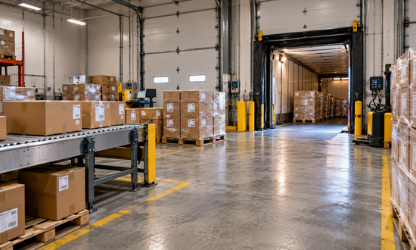
Receiving & Incoming Materials
Ingredients, packaging, pallets, boxes, and other incoming materials can introduce pests or pest evidence into the facility.
Receiving areas should be part of the pest-management strategy rather than treated as simply a doorway between the warehouse and outside.
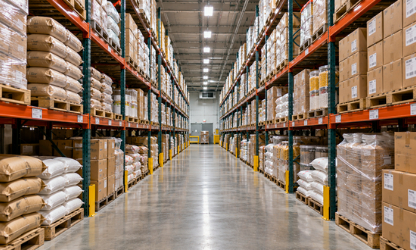
Dry Storage
Stored ingredients and packaged products can create opportunities for stored-product pests, rodents, and insects if products are damaged, spilled, or allowed to remain undisturbed.
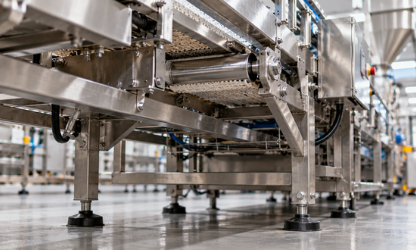
Production Areas
Equipment, conveyors, protected voids, moisture, product residue, and hard-to-reach areas can provide shelter when cleaning and inspection become difficult.
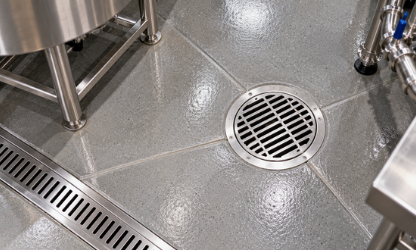
Drains & Moisture Areas
Floor drains, condensation, leaks, washdown areas, and persistent moisture can create favorable environments for flies, cockroaches, and other pests.
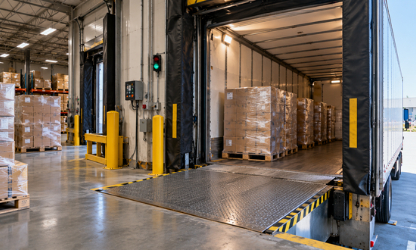
Shipping & Loading Docks
Open dock doors, trailers, pallets, and constant movement between exterior and interior spaces make these areas important pest entry points.
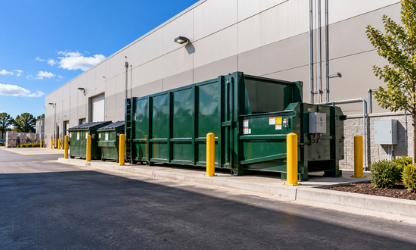
Waste & Exterior Areas
Dumpsters, compactors, exterior storage, standing water, vegetation, and spills can attract pests before they ever enter the building.
How We Manage Food Processing Pest Risks
A Program Built Around Prevention, Monitoring and Corrective Action

Map the Facility
We begin by understanding the flow of the property.
Where do materials arrive?
Where are they stored?
Where does processing occur?
Where does finished product leave?
Where are waste and sanitation areas?
Understanding that flow helps identify where pest risks are highest.


Identify Pest Entry and Harborage Areas
Structural openings, doors, drains, equipment voids, storage practices, exterior conditions, and sanitation concerns can all provide opportunities for pests.


Establish Monitoring Priorities
Monitoring should be concentrated in locations where pest activity is most likely to begin or where early detection is especially important.


Address Active Pest Problems
When pest activity is found, treatment should be targeted to the pest and the location while considering the operating environment of the facility.


Reduce Conditions That Support Reinfestation
Sanitation, moisture, storage, exclusion, waste handling, landscaping, and structural maintenance all contribute to long-term pest control.

Free Commercial Facility Pest Audit
Schedule a no-obligation commercial pest inspection and receive a review of common pest risk areas. Including: entry points, sanitation concerns, storage zones, exterior conditions and more!
Why IPM Is Essential in Food Processing
Food-processing environments demonstrate exactly why Integrated Pest Management is so important.
If insects are repeatedly found around one area, simply eliminating the insects may not explain why they continue appearing.
- IPM asks what is happening around that location.
- Is product residue accumulating beneath equipment?
- Is moisture present?
- Are pests entering with incoming goods?
- Does a door remain open?
- Is storage making inspection difficult?
- Are floor drains holding organic material?
- Is exterior activity moving toward the building?
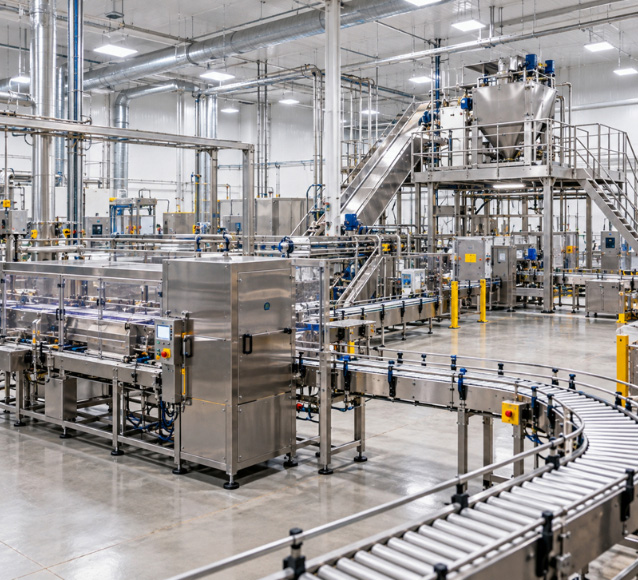
Integrated Pest Management combines inspection, monitoring, sanitation, exclusion, corrective recommendations, and targeted treatment so those questions can be answered.
The objective is not to repeatedly react to sightings.
The objective is to create a facility where pests have fewer opportunities to enter, feed, hide, reproduce, and remain undetected.
Common Food Facility Pests
Pest Concerns in Food Processing & Storage Environments
Rodents
Rodents can damage materials, contaminate storage areas, and move through structural openings, loading docks, warehouses, utility spaces, and exterior environments.
Cockroaches
Heat, moisture, food residue, equipment voids, drains, and protected spaces can support roach activity.
Flies
Drains, organic material, spills, waste, moisture, and exterior activity can contribute to recurring fly populations.
Stored-Product Pests
Dry food products and ingredients can sometimes support beetles, moths, or other pests associated with stored materials.
Ants
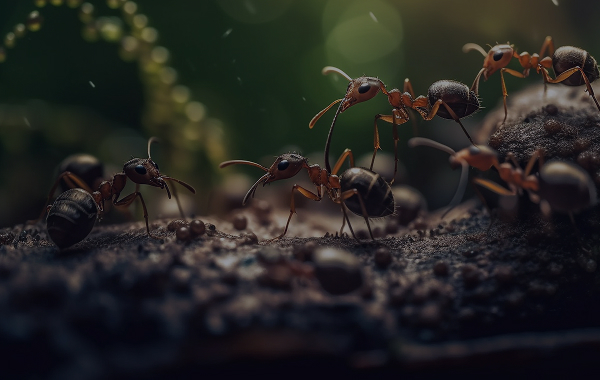
Food and water sources may draw ants into storage, production, employee, or exterior areas.
Occasional Invaders
Spiders, stinging insects, and other pests may become established around warehouses, entrances, rooflines, lighting, or exterior storage.
Sanitation & Corrective Action
Pest Control and Sanitation Must Support Each Other
Pest-control service works best when facility sanitation supports the same objective.
Product spills should be corrected quickly.
Damaged packaging should be addressed.
Areas beneath and behind equipment should remain accessible for cleaning and inspection whenever practical.
Standing water and leaks should not be allowed to persist.
Waste should be managed carefully.
Exterior doors and structural openings should be maintained.
Storage should allow enough visibility to detect pest activity.
A strong commercial program does not place the entire responsibility on either the pest-control technician or the facility.
The best results come when both work together.
Monitoring & Trend Awareness
A Single Sighting Is Information. A Pattern Is a Warning.
Commercial pest monitoring becomes especially valuable when observations are viewed over time.
If activity repeatedly occurs near one dock door, that location deserves attention.
If flies continue appearing around a particular drain, the source should be investigated.
If stored-product insects are repeatedly associated with one type of incoming material, receiving procedures may need closer review.
Patterns help facility management and pest-control professionals focus effort on the places where it can make the greatest difference.
Food Facility Pest Management for South Louisiana Conditions
Lafayette and Acadiana present environmental conditions that can keep pest populations active through much of the year.
Heat, humidity, heavy rainfall, vegetation, exterior moisture, and long warm seasons can all increase pest pressure around commercial facilities.
Food-processing properties add another layer of complexity because ingredients, storage, production, shipping, and waste all occur within the same operation.
That is why the pest-management program needs to consider both what is happening inside the facility and what is happening around the building.
Why Choose Dave’s & Kevin’s
A Local Partner for Commercial Pest Management





Serving Acadiana Since 1962
Decades of experience with South Louisiana pest conditions.

IPM-Focused Approach
Prevention and monitoring are combined with treatment.

Facility-Specific Planning
The program reflects how your operation functions.

Corrective Recommendations
We help identify environmental conditions that may contribute to pest activity.
Serving Acadiana Since 1962
Decades of experience with South Louisiana pest conditions.
IPM-Focused Approach
Prevention and monitoring are combined with treatment.
Facility-Specific Planning
The program reflects how your operation functions.
Corrective Recommendations
We help identify environmental conditions that may contribute to pest activity.
Food Processing Pest Control Throughout Lafayette & Acadiana
Food Processing Pest Control Throughout Lafayette & Acadiana
Dave’s & Kevin’s provides commercial pest-management services for food-processing, food-handling, warehouse, storage, and related commercial facilities throughout Lafayette and surrounding Acadiana communities.
Your Local Pest Control Company Since 1962
More than six decades in business doesn’t happen without taking care of customers. See what homeowners throughout Lafayette and Acadiana have to say about their experience with Dave’s and Kevin’s Pest Control.
Read More Reviews


Frequently Asked Questions About Food Processing Pest Control
Why is monitoring so important in a food facility?
Monitoring can help identify developing activity before pests become widespread or appear in more sensitive areas.
Can incoming ingredients or packaging introduce pests?
Yes. Pallets, boxes, ingredients, packaging, and other materials can sometimes introduce pest activity into a facility.
What are stored-product pests?
Stored-product pests are insects associated with dry foods, grains, ingredients, and other stored materials. Correct identification can help determine where the problem originated.
Why are floor drains important?
Moisture and organic material can accumulate in drains and may create favorable conditions for flies and other pests.
Do loading docks increase pest risk?
Yes. Frequently opened doors, trailers, pallets, and movement between outdoor and indoor environments can create pest-entry opportunities.
Can sanitation alone eliminate pest problems?
Good sanitation is essential, but existing infestations, structural access points, incoming pests, and exterior conditions may still require professional pest management.
What is IPM in a food-processing facility?
IPM combines pest identification, inspection, monitoring, sanitation, exclusion, corrective actions, and targeted treatment to reduce both current activity and the conditions supporting it.
Keep Pest Activity Out of the Production Process
Food-processing pest control should begin before pests become obvious.
Let Dave’s & Kevin’s evaluate your facility, identify high-risk areas, and help develop an organized pest-management strategy built around your operation.
Request a Food Processing Pest Evaluation