

Industrial Pest Problems Rarely Start in Just One Place
An industrial property can cover a large footprint.
One section of the facility may contain administrative offices and employee breakrooms. Another may include warehouses, equipment storage, loading areas, production spaces, exterior yards, mechanical rooms, dumpsters, drainage areas, or buildings that receive little daily activity.
Each environment creates different pest risks.
Rodents may find shelter around storage and equipment.
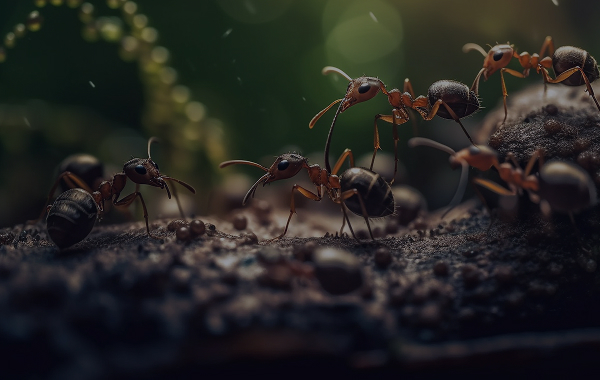
Cockroaches and ants may become established around food, moisture, or employee areas.
Flies can develop around waste, drains, or organic material.
Mosquitoes may become a problem where water collects outdoors.
Wasps and other stinging insects may build nests around structures, equipment, and protected exterior areas.
The larger and more complex the property, the easier it can be for a developing pest problem to remain unnoticed.
That is why industrial pest control should not begin with the question:
“Where did someone see a bug?”
It should begin with:
“How does this facility operate, and where are pests most likely to find food, water, shelter, and access?”
Dave’s & Kevin’s has been serving Lafayette and Acadiana since 1962, providing local pest-control experience built around South Louisiana conditions.

Get Your Free Pest Control Quote
Tell us what you’re dealing with and a member of the Dave’s and Kevin’s team will help you determine the right solution for your facility.
A Facility-Wide Approach to Industrial Pest Management
Effective pest management means looking at the entire property—not simply responding to isolated sightings.
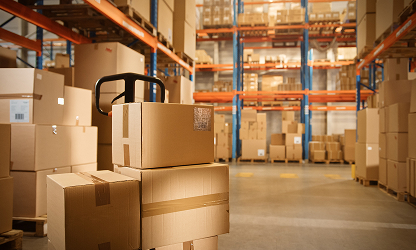
Warehouses & Storage Areas
Warehouses often provide long periods of undisturbed shelter along with pallets, cardboard, stored materials, loading activity, and numerous potential entry points.
Regular inspection helps identify pest activity before it spreads into other areas of the facility.
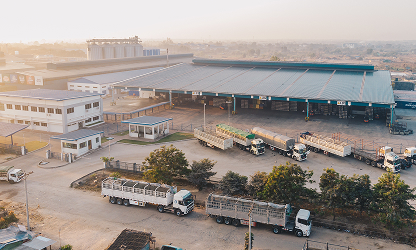
Loading Docks & Receiving Areas
Every shipment creates movement into and out of the property.
Open doors, pallets, incoming materials, trucks, and frequent deliveries can provide opportunities for pests to enter a building unnoticed.
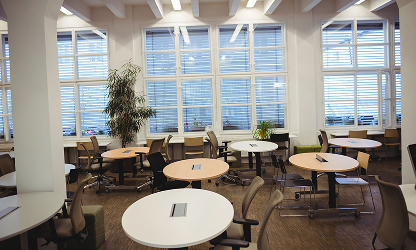
Employee Breakrooms & Offices
Food, drinks, trash, sinks, appliances, and employee belongings can make breakrooms some of the most pest-attractive areas inside an otherwise industrial facility.
Exterior Yards & Equipment Areas
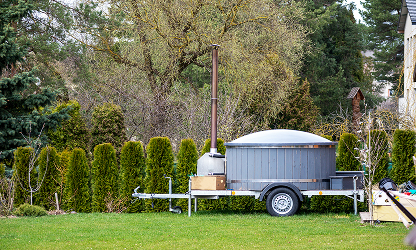
Large exterior spaces can contain vegetation, standing water, stored materials, equipment, containers, and protected areas where pests can live before eventually moving toward buildings.
Waste & Sanitation Areas
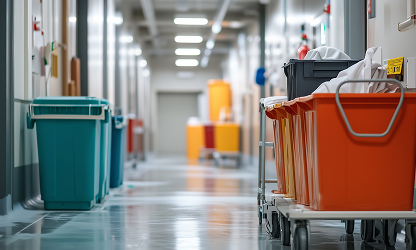
Dumpsters, waste containers, spills, residue, and improperly managed trash can quickly become attractive to flies, cockroaches, rodents, ants, and other pests.
Mechanical & Utility Areas
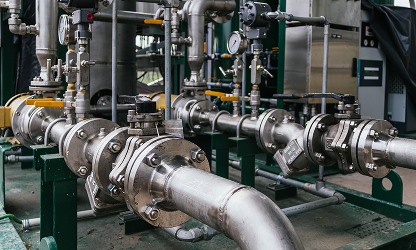
Warmth, moisture, drains, plumbing, utility penetrations, and low-traffic spaces can provide pests with excellent shelter while also giving them pathways through a facility.
A Commercial Pest Program Built Around the Facility

Inspect the Property
We begin by understanding the layout and how the property operates.
That may include offices, employee areas, warehouses, loading docks, exterior yards, storage areas, waste locations, mechanical rooms, and other portions of the facility where pest activity may develop.
The objective is to identify both existing activity and conditions that could create future problems.


Identify High-Risk Areas
Not every portion of an industrial property presents the same risk.
Food, water, shelter, structural openings, waste, vegetation, stored materials, and frequency of human activity all influence where pests are most likely to become established.
We use those conditions to determine which areas deserve the greatest attention.


Develop a Site-Specific Pest Strategy
The service plan should reflect the facility.
A small fabrication shop does not have the same pest-management needs as a large industrial plant with warehouses, exterior yards, offices, and multiple buildings.
Treatment, monitoring, and service frequency should be based on actual conditions rather than applying the same program to every property.


Monitor Pest Activity
Pest problems change as facility conditions change.
Weather, deliveries, storage practices, construction, new equipment, employee activity, waste management, and seasonal conditions can all affect pest populations.
Monitoring helps identify those changes before an isolated problem becomes a larger one.


Recommend Corrective Actions
Sometimes the most important pest-control recommendation does not involve a pesticide.
Repairing an opening, improving drainage, moving stored materials, correcting a sanitation issue, trimming vegetation, or eliminating a water source may significantly reduce pest pressure.
Our goal is to identify those conditions and help facility management understand what can be corrected.

Free Commercial Facility Pest Audit
Schedule a no-obligation commercial pest inspection and receive a review of common pest risk areas. Including: entry points, sanitation concerns, storage zones, exterior conditions and more!
Why IPM Matters in an Industrial Environment
Industrial Pest Management should be more than repeatedly treating the same locations.
Integrated Pest Management, or IPM, combines inspection, monitoring, prevention, sanitation, structural recommendations, exclusion, and targeted treatment to address the conditions allowing pest problems to develop.
Consider a rodent problem around a warehouse.
Trapping rodents may reduce the immediate activity.
But if exterior doors have gaps, food is available in an employee area, pallets provide shelter, and vegetation is growing against the structure, the conditions that attracted rodents may still exist.
- IPM looks at the entire situation.
- Where are pests coming from?
- How are they entering?
- What resources are available to them?
- Where are they hiding?
- What changes can reduce the chance of the same problem returning?
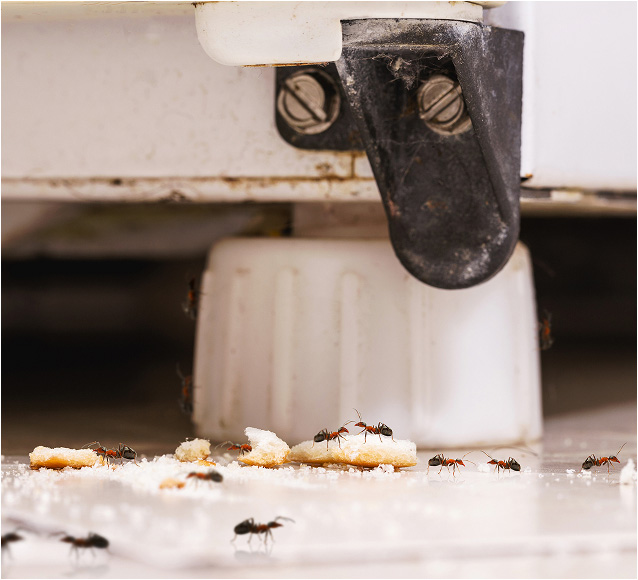
This approach is particularly valuable in industrial facilities because properties are often large, complicated, and constantly changing.
The goal is not simply to use more pest-control product.
The goal is to use inspection, prevention, monitoring, corrective action, and treatment together to create more consistent long-term control.
The existing Dave’s & Kevin’s residential development material also describes its technicians as using Integrated Pest Management principles that consider pest type, entry areas, food and water sources, nesting areas, and property conditions.
Pest Problems We Commonly Look For Around Industrial Properties
Rodents
Warehouses, equipment storage, exterior yards, dumpsters, and low-traffic areas can provide rodents with shelter and access to food and water.
Evidence may include droppings, gnaw marks, nesting material, damaged products, or repeated sightings.
Cockroaches
Cockroaches may become established around employee areas, drains, moisture sources, storage spaces, kitchens, utility rooms, and waste areas.
Ants
Ants can travel considerable distances in search of food and water and may become particularly noticeable around employee areas, offices, vending locations, and exterior building edges.
Flies
Waste, drains, spills, organic material, open doors, and exterior sanitation conditions can contribute to recurring fly activity.
Stinging Insects
Wasps and other stinging insects may build nests around rooflines, equipment, storage structures, exterior buildings, and other protected areas.
Mosquitoes
Standing water, drainage issues, containers, equipment, and low areas around large exterior properties can provide mosquito breeding opportunities.
Spiders & Occasional Invaders
Warehouses, storage areas, exterior lighting, low-traffic spaces, and high insect populations may also contribute to spiders and other occasional pests.
Some of the Best Pest Control Happens Between Service Visits
A pest-control company can treat and monitor a facility, but long-term success also depends on the conditions around the property.
Small operational changes can sometimes make a significant difference.
For example:
Food should be properly stored in employee areas.
Waste containers should remain managed and closed whenever practical.
Spills should be cleaned promptly.
Exterior doors should close properly.
Standing water should be corrected when possible.
Vegetation should not create unnecessary shelter directly against structures.
Stored materials should be organized so problem areas can be inspected.
Structural openings should be repaired when they provide pest access.
When facility personnel and the pest-control provider work together, it becomes much easier to identify problems early and reduce the conditions that allow pest populations to grow.
Catch Developing Problems Before They Spread Across the Facility
Industrial properties can make pest problems difficult to detect.
An isolated issue in a storage building or exterior area may remain unnoticed until activity reaches offices, employee areas, products, or other critical portions of the facility.
Regular inspection and communication make patterns easier to recognize.
If rodents repeatedly appear around the same loading area, that tells us something.
If flies increase around one drain or waste location, that matters.
If insect activity suddenly increases near a newly opened storage area, that information can help point toward the source.
The more clearly pest activity can be tracked, the easier it becomes to focus corrective action where it is needed most.
South Louisiana Creates Its Own Industrial Pest Challenges
Industrial facilities throughout Acadiana operate in an environment that naturally supports pest activity.
Heat and humidity can persist for long periods.
Heavy rain can create standing water and force pests toward structures.
Vegetation grows quickly.
Mosquitoes and insects remain active through much of the year.
Rodents continually look for food and protected shelter.
Large industrial properties provide countless locations that may go undisturbed for long periods of time.
That does not mean pest problems are unavoidable.
It means the program should be designed for the environment.
Dave’s & Kevin’s has been providing pest-control service throughout Lafayette and Acadiana for more than 60 years. That local experience helps us understand the conditions businesses deal with in South Louisiana rather than applying a pest-management strategy developed for a completely different climate.
Why Choose Dave’s & Kevin’s
Local Commercial Pest Control You Can Count On
Dave’s & Kevin’s has served Lafayette and Acadiana since 1962.
We believe effective commercial pest management begins with understanding the property, identifying the problem correctly, and developing a practical strategy rather than treating every facility the same way.





Serving Acadiana Since 1962
More than six decades of local pest-control experience.

Integrated Pest Management
A strategy focused on inspection, monitoring, prevention, and targeted treatment.

Customized Commercial Programs
Service designed around your facility and operating environment.

Local Service
Work with a company that understands pest conditions in South Louisiana.
Serving Acadiana Since 1962
More than six decades of local pest-control experience.
Integrated Pest Management
A strategy focused on inspection, monitoring, prevention, and targeted treatment.
Customized Commercial Programs
Service designed around your facility and operating environment.
Local Service
Work with a company that understands pest conditions in South Louisiana.
Industrial Pest Control Throughout Lafayette & Acadiana
Industrial Pest Control Throughout Lafayette & Acadiana
Dave’s & Kevin’s provides commercial pest-management services for oil and gas businesses, industrial facilities, fabrication operations, warehouses, service companies, and related properties throughout Lafayette and surrounding Acadiana communities.
Whether you manage one facility or a larger industrial property, we can evaluate the site and help determine the pest-management program appropriate for the operation.
Your Local Pest Control Company Since 1962
More than six decades in business doesn’t happen without taking care of customers. See what homeowners throughout Lafayette and Acadiana have to say about their experience with Dave’s and Kevin’s Pest Control.
Read More Reviews


Frequently Asked Questions About Industrial Pest Control
How often should an industrial facility receive pest-control service?
There is no single schedule that works for every industrial property.
Facility size, pest history, sanitation, food sources, exterior conditions, storage, surrounding environment, and the type of operation all influence appropriate service frequency.
Why do rodents become a problem around industrial properties?
Large properties can offer rodents shelter, food, water, stored materials, vegetation, dumpsters, and numerous structural access points.
Warehouses and low-traffic storage areas may allow activity to go unnoticed for extended periods.
Do you treat both interior and exterior areas?
Industrial pest management often needs to consider both.
Many indoor pest problems begin outside, so exterior conditions, building perimeters, loading areas, landscaping, storage yards, and waste areas may all be important.
Why are loading docks a pest risk?
Loading docks experience frequent door openings, deliveries, pallets, trucks, and movement of goods.
All of those conditions can create opportunities for pests to enter a facility.
Can employee areas cause pest problems?
They can contribute.
Food, beverages, vending machines, trash, sinks, appliances, and stored personal items can provide food and water for pests if these areas are not properly managed.
What is Integrated Pest Management?
IPM combines inspection, monitoring, sanitation, exclusion, prevention, structural recommendations, and targeted treatment.
The objective is to understand why pests are present and reduce the conditions that allow them to continue.
Can industrial pest control be performed without disrupting operations?
Pest-management service should be planned around facility operations whenever practical.
The appropriate approach depends on the pest, treatment required, location, safety requirements, and operating environment.
What should we do if employees report seeing pests?
Record where and when the activity was observed and notify the pest-control provider.
Even an isolated sighting can provide useful information when combined with inspection and monitoring data.
Don't Wait for a Small Pest Problem to Spread Across a Large Facility
Industrial properties provide pests with plenty of places to hide.
Early detection, regular inspection, monitoring, and corrective action can make the difference between addressing a localized issue and responding to a facility-wide problem.
Let Dave’s & Kevin’s evaluate your property and help develop a commercial pest-management program around the way your operation actually works.
Request an Industrial Pest Evaluation
Serving Lafayette and Acadiana since 1962.