


Reviews

Header_Five_Star

300+ Reviews

Call Now Get a Free Quote
Categories
General Pest Control

What Are the Most Common Household Pests in Lafayette, Louisiana?

The most common household pests in Lafayette are cockroaches, ants, termites, rats and mice, mosquitoes, and spiders. Bed bugs, fleas, and silverfish also show up in homes across the area. South Louisiana’s warm temperatures, frequent rain, and high humidity give these pests what they need to survive for most of the year, which is why pest control in Lafayette is needed all year. At Dave’s and Kevin’s Pest Control, we want homeowners to know what each pest looks like, where it lives, and why it ends up indoors.

Cockroaches

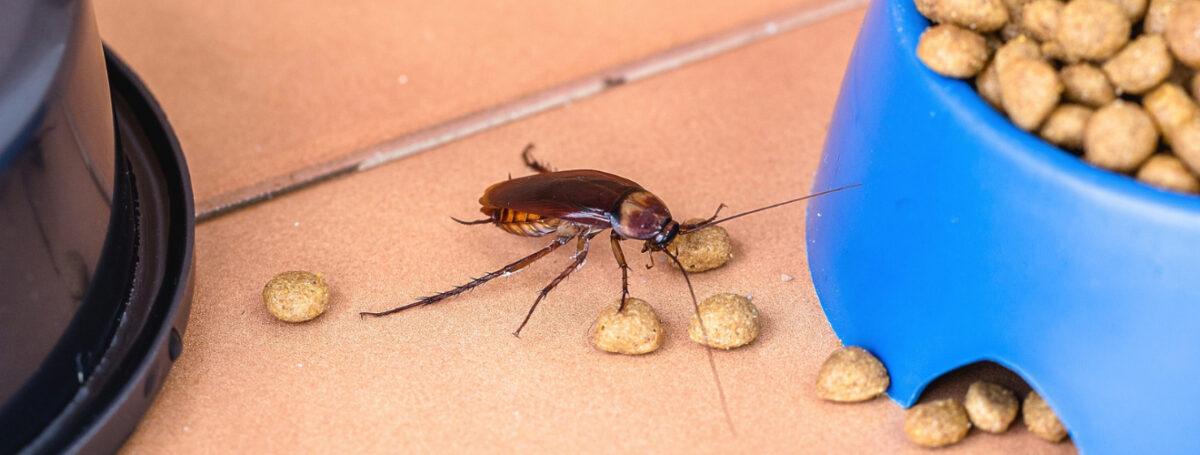
Lafayette homes deal with several types of cockroaches, and they behave very differently. American cockroaches are the large, reddish-brown roaches many locals call palmetto bugs. They usually live outside in mulch, storm drains, sewers, and damp crawl spaces. They wander indoors through gaps under doors, plumbing openings, and drains, especially during heavy rain or extreme heat. Smokybrown cockroaches are similar in size but darker, and they are often found around gutters, tree holes, and attics.

German cockroaches are a different kind of problem. They are small, light brown, and marked with two dark stripes behind the head. German cockroaches live and breed indoors, usually in kitchens and bathrooms where they have warmth, water, and food. They reproduce quickly, and a few roaches brought in on a grocery bag or a used appliance can become a large infestation. Because they spend their entire lives indoors, outdoor treatments alone will not control them.

Ants

Fire ants are common in Lafayette lawns, and their mounds often appear soon after a rain. They deliver painful stings and can move indoors when flooding or heavy rain pushes them out of the soil. Crazy ants are another concern in South Louisiana. They get their name from the fast, erratic way they run, and they can appear in very large numbers inside and around homes. Crazy ants are difficult to control with store-bought products, and they often need repeated professional treatments.

Other ants, including small sweet-loving species, often come indoors looking for food and water. Treating these ants correctly depends on identifying the species first, since some respond well to baits and others scatter into new colonies when they are sprayed.

Termites

Termites are one of the most serious pests in Louisiana because of the damage they can do to a home. Lafayette has two main types. Native subterranean termites live in the soil and build mud tubes to reach the wood in a house. Formosan termites, which are established across South Louisiana, form much larger colonies than native termites. Formosan termites can also build nests above ground when they have a steady source of moisture, such as a roof leak or plumbing leak.

Most homeowners first notice termites when swarmers appear in the spring. Native termites usually swarm during the day, while Formosan termites swarm on warm evenings and gather around lights. Mud tubes on the foundation, discarded wings, and hollow-sounding wood are other common signs.

Rats and Mice

Rodents are a problem in Lafayette homes throughout the year, and they tend to move indoors more often when temperatures drop in the fall and winter. Roof rats are common in South Louisiana. They are excellent climbers and often reach attics by running along tree branches and power lines. Norway rats are larger and burrow in the ground near foundations, woodpiles, and sheds. House mice can enter through very small gaps around pipes, vents, and doors.

Rodents contaminate food and surfaces with droppings and urine, chew through wiring and insulation, and carry fleas and mites into the home. Sealing the openings they use to get inside is an important part of keeping them out.

Mosquitoes

Lafayette’s rainfall and humidity create plenty of standing water, which is where mosquitoes lay their eggs. Clogged gutters, plant saucers, birdbaths, tarps, and low spots in the yard can all hold enough water for mosquitoes to breed. Mosquitoes are also a health concern in Louisiana, since some species can spread diseases such as West Nile virus. Reducing standing water helps, but treating the areas where adult mosquitoes rest, such as shrubs and shaded spots, makes a bigger difference.

Spiders

Spiders are common around Lafayette homes because there are plenty of insects for them to eat. Most are harmless, such as the southern house spider, which builds webs in corners, eaves, and window frames. Two species call for more caution. Black widows hide in quiet, undisturbed places like woodpiles, sheds, garages, and meter boxes. Brown recluse spiders are also found in Louisiana. They prefer dry, dark spaces such as closets, attics, and boxes in storage. A home with a lot of spiders usually has a lot of insects, so controlling other pests helps reduce the spider population.

Bed Bugs, Fleas, and Silverfish

Bed bugs travel into homes on luggage, used furniture, and clothing, then hide in mattress seams, bed frames, and furniture near where people sleep. They can infest a clean home as easily as a cluttered one. Fleas usually arrive on pets and can multiply quickly in carpets and pet bedding. Silverfish are small, silver, fast-moving insects that prefer damp areas like bathrooms, laundry rooms, and attics, where they feed on paper, glue, and starches.

Why These Pests Thrive in Lafayette

All of these pests benefit from the same local conditions. Warm weather lets them stay active for most of the year, rain and humidity provide water, and thick vegetation gives them places to live near the house. When heavy rain or flooding hits, many of them move toward higher, drier ground, which often brings them to the foundation of a home.

Our standard plan covers spiders, American cockroaches, ants, silverfish, and other common pests, and we can add termite, rodent, mosquito, and bed bug services based on what your home needs. To find out which pests are affecting your property, contact our team for a free inspection.

Categories
General Pest Control

Do I Need an Exterminator? 7 Signs It’s Time to Call a Pest Control Company

If you are finding droppings in a kitchen drawer, seeing roaches in the middle of the day, or watching the same ants return after you have sprayed them twice, it is time to call a pest control company. These signs usually point to a problem that has moved past what store-bought products can handle. At Dave’s and Kevin’s Pest Control, our pest control service for Lafayette homes starts with a free inspection so we can confirm what you are dealing with. Here are seven signs that tell you it is time to bring in a professional.

1. You See Pests During the Day

Cockroaches, mice, and rats are mostly active at night. They spend the day hidden inside walls, under appliances, and in other dark spaces. When you start seeing them out in the open during daylight, it can mean the population has grown large enough that the hiding spots are crowded. It can also mean something disturbed their hiding place, such as a plumbing repair or moving furniture. Either way, daytime sightings are a strong reason to have the home inspected.

2. You Find Droppings

Droppings are one of the most reliable signs of a pest problem, and their size and shape help identify the pest. Mouse droppings are small, dark, and shaped like grains of rice with pointed ends. Rat droppings are larger, about the size of a raisin or bigger. Cockroach droppings look like specks of black pepper or coffee grounds and often collect in the corners of cabinets and drawers.

Check under sinks, in the back of the pantry, along baseboards, and in the attic. Finding droppings in more than one area usually means the pests are established and moving through the home.

3. You Hear Scratching in the Walls or Attic

Scratching, scurrying, or gnawing sounds at night often come from rats or mice. In South Louisiana, roof rats are common. They are strong climbers and often reach attics by running along tree limbs, fences, and power lines. Sounds in the attic can also come from squirrels or other wildlife, which is why an inspection is important before any trapping or treatment begins. Each of these animals enters a home differently, and the solution depends on which one is inside.

4. You Notice Mud Tubes, Wings, or Swarming Insects

Termites are a serious concern throughout Louisiana, and the signs are easy to miss. Subterranean termites build pencil-width mud tubes up the outside of foundations and along walls to travel between the soil and the wood they are eating. Small piles of discarded wings near windowsills and doors are another sign. These wings are left behind by swarmers, the winged termites that leave a colony to start new ones.

Our area has both native subterranean termites and Formosan termites. Native termites usually swarm during the day in late winter and spring, often after a rain. Formosan termites usually swarm on warm spring evenings and are drawn to lights. Seeing swarmers inside the house means a colony is likely nearby or already in the structure, and the home needs a professional inspection.

5. You Find Damage You Cannot Explain

Pests often leave damage before they are ever seen. Rodents chew through food packaging, insulation, and electrical wiring. Termites eat wood from the inside out, so damaged wood may sound hollow when tapped, or paint may bubble and blister on its surface. Floors that feel soft or doors and windows that suddenly stick can also point to termite damage, although moisture problems can cause the same symptoms. A trained technician can tell the difference.

6. You Wake Up With Bites or Find Small Spots on the Sheets

Bites that appear overnight, especially in lines or small clusters, can be a sign of bed bugs. Other signs include small rust-colored or dark spots on sheets and mattress seams, along with tiny pale eggs or shed skins. Bites alone are not enough to confirm bed bugs, because fleas, mosquitoes, and skin reactions can look similar. A professional inspection is the most reliable way to know what is causing them.

7. The Problem Keeps Coming Back After You Treat It

This is one of the clearest signs that you need professional help. Store-bought sprays usually kill only the pests they touch, while the rest of the population keeps breeding out of sight. Some products can make the problem worse. Repellent sprays can scatter cockroaches deeper into walls, and some ant species respond to them by splitting into several new colonies. When a problem returns again and again, the source has not been found or treated.

What Happens When You Call

When you contact us, a technician will inspect the inside and outside of your home, identify the pest, and look for the conditions that are drawing it in. From there, we will explain your options and recommend a treatment plan. Our technicians are trained in Integrated Pest Management, which means they combine targeted treatments with steps like sealing entry points and reducing moisture so the pests are less likely to return.

Call at the First Sign of a Problem

Most pests reproduce quickly, and the longer an infestation goes untreated, the more work it takes to bring under control. Termites and rodents can also cause damage that is expensive to repair. Calling at the first sign of trouble gives you more options and usually a simpler treatment.

If you have noticed any of these signs in your Lafayette, Broussard, or Youngsville home, reach out to Dave’s and Kevin’s Pest Control for a free inspection and we will tell you exactly what we find.

Categories
General Pest Control

What Does an Exterminator Actually Do? A Lafayette Homeowner’s Guide

An exterminator finds out which pests are in your home, works out why they are there, treats them, and takes steps to keep them from coming back. Spraying is only one part of the job. The inspection that happens before treatment and the prevention work that follows it have a large effect on whether the problem returns. At Dave’s and Kevin’s Pest Control, our pest control service in Lafayette follows this full process, and this guide walks through each step so you know what to expect when a technician arrives.

It Starts With an Inspection

A good exterminator spends the first part of a visit looking rather than spraying. Our technician will walk through the inside of the home and around the outside, looking for droppings, shed skins, egg cases, chewed materials, and the pests themselves. In a kitchen, that means checking under the sink, behind the refrigerator and stove, and inside cabinets. In the rest of the house, it can mean looking in bathrooms, closets, the garage, and the attic.

The outside of the home gets the same attention. The technician will check the foundation for cracks and gaps, look at where pipes and wires enter the house, and note anything that holds moisture against the home. In Lafayette, where heavy rain and high humidity are common, moisture problems are one of the most important things to find. Leaky outdoor faucets, clogged gutters, and soil or mulch piled against the slab all create conditions that attract cockroaches, ants, and termites.

Identifying the Exact Pest

Once the technician finds signs of pests, the next step is identifying the species. This step has a direct effect on how well the treatment works, because different pests live in different places and respond to different products.

Cockroaches are a good example. American cockroaches are large, reddish-brown roaches that usually live outdoors in mulch, sewers, and damp areas, then wander inside. German cockroaches are much smaller and live and breed indoors, usually in kitchens and bathrooms. A treatment aimed at the outside of the home can help with American cockroaches, but it will do very little for German cockroaches living inside a cabinet. Ants work the same way. Some species respond well to baits, while others can split into new colonies when they are sprayed with the wrong product.

Our team includes a Board Certified Entomologist, a specialist trained in insect biology. That training helps our technicians identify pests correctly and choose treatments that fit the species.

Building a Treatment Plan

After the pest is identified, the technician puts together a plan. Our technicians are trained in Integrated Pest Management, often called IPM. In plain terms, IPM means using several methods together instead of relying on one product. It combines targeted treatments with changes that make the home less attractive to pests, such as fixing moisture problems, sealing entry points, and removing hiding places.

The plan will also cover how often treatments are needed. For general pests, we offer quarterly service as well as monthly or bimonthly service for homes that need more frequent protection.

Applying the Treatment

The treatment itself depends on the pest and where it is living.

Inside the home, technicians may place baits in cabinets and along baseboards, apply dust inside wall openings where insects hide, and treat cracks and gaps where pests travel. These targeted applications place the product where pests will contact it.

Outside the home, technicians usually treat around the foundation to create a barrier that stops crawling insects before they get inside. They may also treat around doors, windows, and the places where utility lines enter the house.

Rodents and termites require their own methods. For rats and mice, our technicians use snap traps or glue boards indoors and larger bait stations outside when needed. For termites, we install either the Sentricon baiting system around the foundation or a liquid treatment in the soil around the home.

Sealing Entry Points and Recommending Changes

An exterminator’s work also includes keeping pests from getting back in. For rodents, this means sealing the gaps and openings they use with durable construction materials. Mice can fit through very small openings, so this work has to be thorough.

Technicians will also point out conditions around the home that are attracting pests. These might include tree branches touching the roof, firewood stacked against the house, standing water near the slab, or wood rot around doors and windows. Some of these are easy for a homeowner to fix. Others may need a contractor or landscaper.

Returning for Follow-Up Visits

Follow-up visits are part of the job for two reasons. First, many pests lay eggs that are protected from treatment, and those eggs can hatch after the first visit. Second, outdoor treatments break down over time from rain and sun, which happens faster in South Louisiana’s climate. Regular service renews the protection around the home and gives the technician a chance to catch new problems early.

What This Means for Your Home

Each of these steps affects how well the treatment works and how long the results last. Dave’s and Kevin’s Pest Control has served Lafayette, Broussard, Youngsville, New Iberia, and the rest of Acadiana since 1962, and our technicians are fully trained and licensed. If you want a technician to inspect your home and explain what is going on, schedule a free inspection with our team.