



Reviews

Header_Five_Star

300+ Reviews

Call Now Get a Free Quote
Categories
Rodent Control

Hearing Scratching in Your Attic? What Lafayette Homeowners Should Look for First

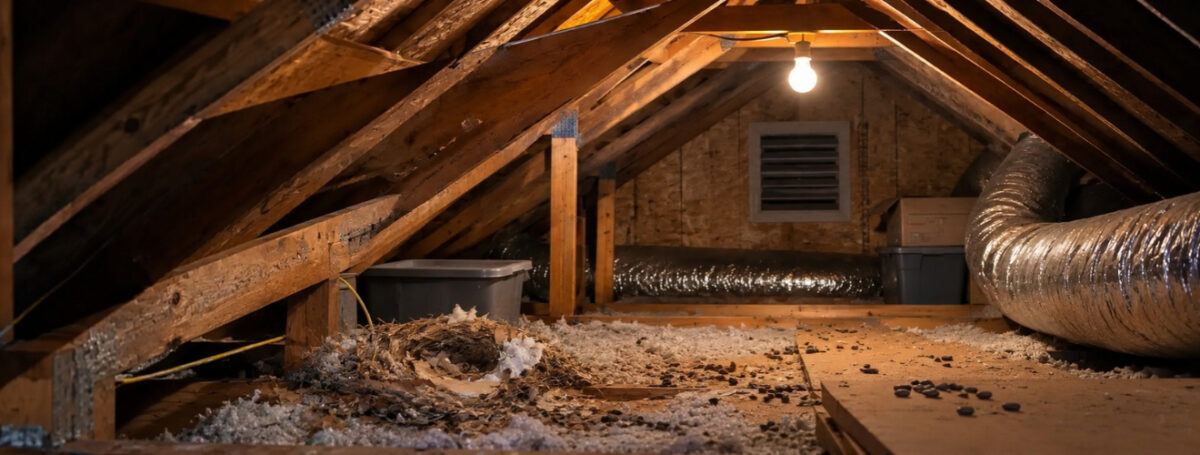
Scratching in the attic at night is most often caused by rats or mice, but squirrels, raccoons, and other animals can make similar sounds. The first thing to figure out is which animal is up there, because the right solution depends on it. A few clues, such as the time of day you hear the noise and what the animal leaves behind, can point you in the right direction before anyone sets a trap. At Dave’s and Kevin’s Pest Control, our rodent and wildlife control service starts with an inspection to answer that question. Here are the first things Lafayette homeowners should look for.

1. When You Hear the Noise

The timing of the sound is one of the most useful clues. Rats and mice are mostly active at night. If you hear quick scratching, scurrying, or gnawing after dark, especially when the house is quiet, rodents are the most likely cause.

Squirrels follow a different schedule. They are active during the day, so their noises are usually heard in the early morning and again in the late afternoon as they leave and return to the attic. Heavier thumping or walking sounds at night can point to a larger animal, such as a raccoon or opossum.

2. Droppings

Droppings are the most reliable way to identify a rodent. Mouse droppings are small, about the size of a grain of rice, with pointed ends. Rat droppings are larger, often about half an inch to three-quarters of an inch long. Roof rats, which are common in South Louisiana, leave droppings that are slightly curved with pointed ends.

Look along the edges of the attic floor, near the attic entrance, on top of ceiling joists, and around stored boxes. Do not sweep or handle droppings with bare hands. They can carry bacteria, and disturbing them dry can stir up dust.

3. Gnaw Marks and Damaged Wiring

Rodents have to gnaw constantly to keep their teeth worn down. In an attic, they chew on wood, cardboard boxes, plastic, and electrical wiring. Fresh gnaw marks look light in color and rough, while older marks darken over time. Chewed wiring is a serious concern because it can create a fire hazard. If you see exposed wires, avoid touching them and have the wiring checked.

4. Paths, Tunnels, and Rub Marks

Rats and mice travel the same routes again and again. Over time, they create visible paths and tunnels through attic insulation. They also leave dark, greasy rub marks on beams, rafters, and the edges of openings they squeeze through. These marks come from the oils in their fur and show where they travel most.

5. Nests

Rodents build nests from shredded insulation, paper, fabric, and other soft materials. Nests are often tucked into corners, along the edges of the attic, or under stored items. Finding a nest usually means rodents have been living in the attic for some time. It can also mean there are young rodents present.

6. Entry Points on the Outside of the Home

After checking the attic, look at the outside of the house. Roof rats in Lafayette often reach attics by running along tree branches, fences, and power lines, then entering through gaps near the roof. Look for openings along the roofline and soffits, damaged attic vents, and gaps where utility lines enter the house. A hole with chew marks or rub marks around it is likely being used.

Larger holes, especially ones with torn shingles or damaged soffit panels, can point to squirrels or raccoons rather than rodents.

What Not to Do Before You Know What Is Up There

Two common mistakes can make the problem worse. The first is sealing entry holes before the animals are out. Rodents and other animals that are sealed inside will chew new openings to escape, causing more damage. If they die inside the attic or walls, they can create strong odors that are hard to remove.

The second is placing poison bait in the attic. Rodents that eat poison often die in places that are hard to reach, such as inside walls or under insulation. Poison also does nothing about the openings that let rodents in, so new ones keep arriving.

Why a Professional Inspection Is the Next Step

Once you have noticed signs of an animal in your attic, the most effective next step is a professional inspection. Our technicians will identify the animal, find where it is getting in, and check for damage to insulation and wiring. From there, we put together a plan that may include trapping, sealing entry points with high-grade construction materials, and cleaning up contaminated areas of the attic.

Animals in the attic stay until they are removed, and the longer they stay, the more damage they can do. Dave’s and Kevin’s Pest Control has helped Lafayette homeowners with rodent and wildlife problems since 1962. Schedule a free attic inspection with our team to find out what is making the noise and how to stop it.
Categories
Rodent Control

Why Are Rats and Mice Getting Into Lafayette Homes? Common Entry Points to Check

As nights start to cool in October, rats and mice in Lafayette begin looking for warm, protected places with steady access to food and water. A house offers all three. They get inside through small gaps in the roofline, vents, foundation, and utility openings, and many of these gaps are easy to overlook. At Dave’s and Kevin’s Pest Control, our rodent control and exclusion services focus on finding and sealing these openings. This guide covers why rodents are drawn to Lafayette homes and which entry points to check first.

Why Rodents Move Into Homes

Rodents in Lafayette can be a problem at any time of year, but cooler weather in the fall and winter pushes more of them toward buildings. Outdoor food sources like seeds, fruit, and insects become harder to find, and a house offers a stable temperature and shelter from rain.

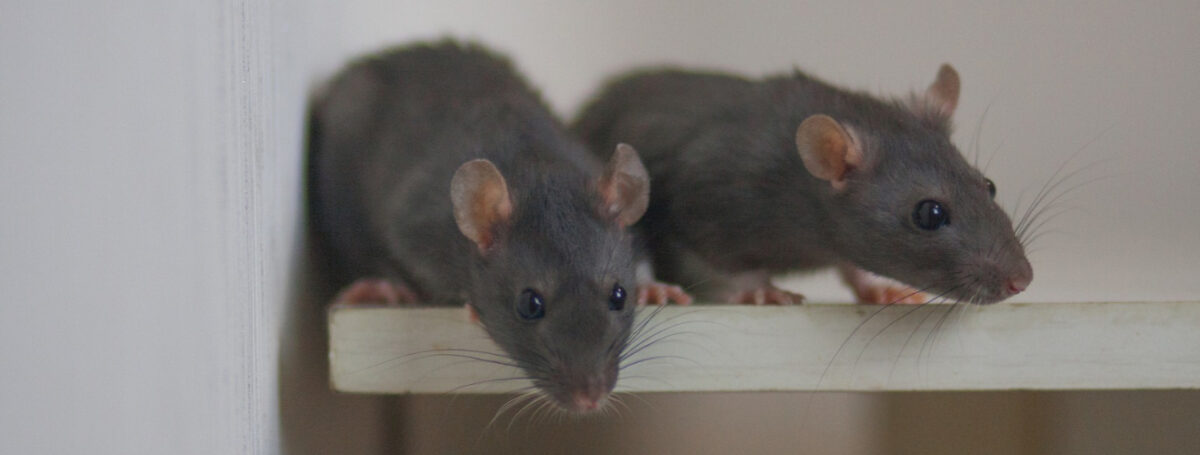
Lafayette has three main types of rodents that enter homes. Roof rats are common in South Louisiana. They are agile climbers that live in trees and attics and travel along branches, fences, and power lines. Norway rats are heavier and tend to burrow in soil near foundations, woodpiles, and sheds. House mice are the smallest and can live inside walls, cabinets, and storage areas.

Each type uses different routes into the house. Roof rats usually enter high, near the roof. Norway rats and mice more often enter low, near the foundation. A complete inspection has to cover both.

How Small an Opening Can Be

Rodents need very little space to get inside. A mouse can squeeze through an opening about a quarter of an inch wide. A young rat can fit through a gap roughly half an inch wide. Rodents can also chew to make a small opening larger, especially around soft materials like wood, vinyl, and foam.

This means a gap that looks too small to be a problem can still let rodents in. During an inspection, our technicians look closely at every opening rather than only the obvious holes.

Common Entry Points to Check

These are the areas where rats and mice most often get into Lafayette homes:

  • Rooflines and soffits: Gaps where the roof meets the walls, loose soffit panels, and openings at the corners of the roofline are common entry points for roof rats.
  • Attic and gable vents: Vents with torn, rusted, or missing screens give rodents direct access to the attic.
  • Utility openings: Gaps around plumbing pipes, electrical lines, cable lines, and air conditioning lines are often left unsealed or sealed with materials that rodents can chew through.
  • Garage doors: Worn or damaged weather stripping at the bottom of a garage door can leave a gap large enough for mice and rats.
  • Dryer vents: A vent without a working flap or cover can let rodents climb straight into the wall.
  • Gaps under exterior doors: Missing or damaged door sweeps leave space under the door that mice can use.
  • Foundation cracks and weep holes: Cracks in the slab and gaps in brick veneer near the ground can allow mice to enter the walls.
  • Raised homes and crawl spaces: Damaged vents and openings around pipes underneath raised homes are common entry points in older Lafayette neighborhoods.

Signs That Rodents Are Using an Opening

You can often tell whether an opening is in use by looking at the area around it. Rodents leave dark, greasy rub marks on surfaces they brush against again and again. You may see gnaw marks on wood, vinyl, or wiring near the opening. Droppings close to a gap are another strong sign.

Inside the home, look for droppings in the attic, under sinks, in the garage, and along the back edges of cabinets. Scratching sounds in the walls or ceiling at night are another common sign, especially in the attic.

Why Sealing Should Be Done Carefully

It may be tempting to seal any hole you find right away. However, sealing an opening while rodents are still inside can trap them in the house. Trapped rodents may chew new holes to escape or die inside walls, which can cause odors that are difficult to remove. Some openings also need to stay ventilated, such as attic and gable vents, so they have to be covered with the right material rather than closed off.

Our technicians use high-grade construction materials designed to hold up against chewing. They also coordinate sealing with trapping so that rodents already inside are removed while the home is being closed up.

Trees, Landscaping, and Clutter Around the Home

The area around the house also affects how easily rodents get inside. Tree limbs that hang over or touch the roof give roof rats a direct path to the roofline. Dense shrubs and ivy along the walls provide cover for rodents as they travel. Woodpiles, stored items, and debris near the house give rats places to nest close to the foundation.

Trimming branches back from the roof and keeping the area around the foundation clear reduces these advantages. These steps work best as part of a professional rodent plan, since they do not remove rodents that are already inside.

Get Your Home Inspected Before the Problem Grows

Rodents breed quickly, and a few mice or rats in the fall can turn into a much larger problem by winter. Dave’s and Kevin’s Pest Control has served Lafayette homeowners since 1962, and our technicians are trained to understand how homes are built and where rodents get inside. To find out where rats or mice are entering your home, contact us for a free rodent inspection.