





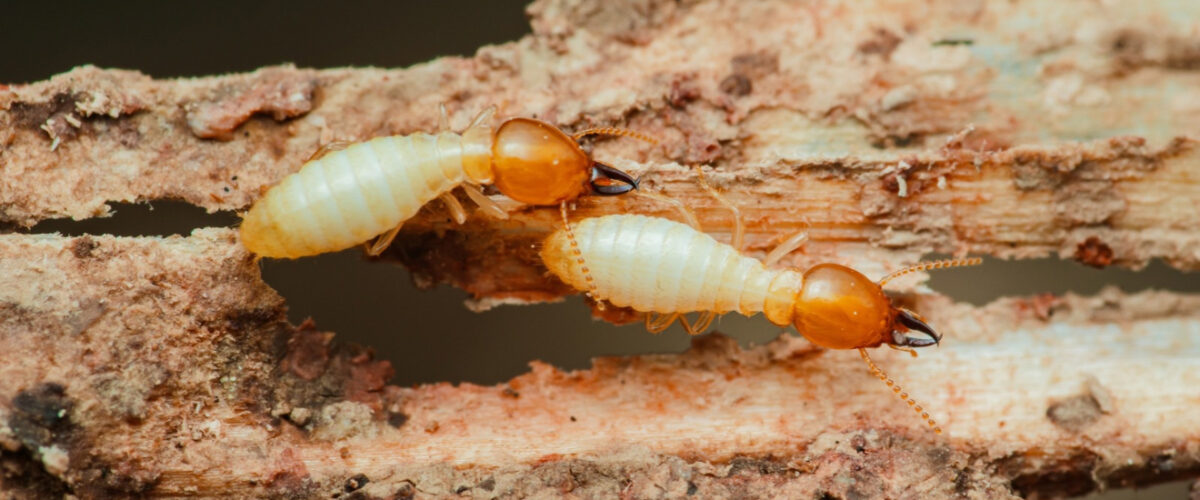
Termite treatment in Louisiana is priced home by home. The cost depends on the treatment method you choose, the size and construction of your house, whether termites are already active, and the warranty that comes with the service. At Dave’s and Kevin’s Pest Control, we offer both the Sentricon baiting system and liquid soil treatments through our termite control service, and every price starts with a free termite inspection. This guide explains each factor so you can understand an estimate when you receive one.
Why Termite Protection Costs More in South Louisiana
Louisiana has some of the most favorable conditions for termites in the country. The soil stays warm and moist for most of the year, and that allows termite colonies to stay active and keep feeding. South Louisiana also has two types of subterranean termites. Native subterranean termites are found across the state. Formosan termites, an invasive species established throughout the southern part of Louisiana, form much larger colonies and can damage wood faster.
These conditions affect the type of protection a home needs. A treatment in Lafayette, Broussard, or New Iberia has to hold up against a constant supply of termites in the surrounding soil, which is why ongoing protection and warranties are an important part of the cost.
The Two Main Treatment Methods
1. Sentricon Baiting System
The Sentricon system with Always Active uses bait stations installed in the ground around the outside of the foundation. Termites that feed on the bait carry it back to the colony and share it with other termites, including the queen. Over time, the colony is eliminated.
Our technicians monitor the stations on a regular schedule and replace the bait material as needed. The cost of a baiting system includes installation plus ongoing monitoring and maintenance. For homeowners, this means the expense is spread out over time instead of paid all at once.
2. Liquid Soil Treatment
A liquid treatment creates a treated zone in the soil around the foundation. Our technicians dig a trench around the perimeter of the home and treat it so there are no gaps for termites to pass through. Termites cannot detect the product, so they travel through it and pass it to other termites through contact and grooming.
With a liquid treatment, most of the cost comes at the time of treatment, and the protection lasts for years. Soil treatments commonly remain effective for 5 to 12 years. To keep the protection and the warranty in place, the area around the slab needs to be retreated after five years.
Factors That Change the Price
Two homes of the same size can receive very different estimates. These are the details that make the biggest difference:
- The distance around the foundation: Termite treatments are measured around the outside of the home, so a house with many corners and additions costs more than a simple rectangle with the same square footage.
- The type of foundation: Slab homes, raised homes with crawl spaces, and homes with additions each require different work. Additions often create joints in the slab where termites can enter.
- Concrete next to the house: Driveways, patios, and porches that touch the foundation may need to be drilled so the soil underneath can be treated with a liquid product.
- An active infestation: A home that already has termites may need extra treatment inside and around the damaged areas, along with follow-up inspections.
- Moisture problems: Leaks, poor drainage, and standing water near the slab attract termites. These conditions may need to be fixed for treatment to work and for the warranty to stay valid.
- The warranty: Plans with damage warranties and retreatment warranties provide more protection and are priced accordingly.
Warranties and What They Require From Homeowners
A termite warranty is one of the most valuable parts of a treatment plan, but it comes with responsibilities. Certain conditions around the home can void the damage portion of a termite contract. Homeowners should keep soil and mulch low enough that 2 to 3 inches of the slab or piers stay visible. Firewood and lumber should be kept off the ground and away from the house. Plants and vines should not grow on the structure, and standing water under or against the home should be drained.
It is also important to call us if you disturb the treated soil or the bait stations around the foundation, such as during landscaping or construction. Those areas must be retreated to keep the protection in place.
Treatment for New Construction
Builders and homeowners building a new house can protect it before the slab is poured. A pre-construction treatment applies termiticide to the soil under the slab and along concrete joints. When we treat a home before construction, we issue the Wood Destroying Insect Report certificate to the builder at no charge. We can also provide the 99-B form at closing upon request at no additional cost. The new homeowner receives a renewable damage warranty.
Weighing the Cost Against the Risk
Standard homeowners insurance policies generally do not cover termite damage. That leaves repair costs to the homeowner, and repairs to floors, walls, and framing can become expensive quickly when a colony goes unnoticed. Professional protection with a warranty is the most dependable way to limit that risk in a state where termite activity continues for most of the year.
The most accurate way to learn what termite treatment will cost for your home is to have a licensed inspector look at it in person. Our inspectors use thermal imaging, termite detectors, and moisture meters to check for termites and the conditions that attract them. Request a free termite consultation from Dave’s and Kevin’s Pest Control, and we will walk you through your treatment options and pricing for your home.